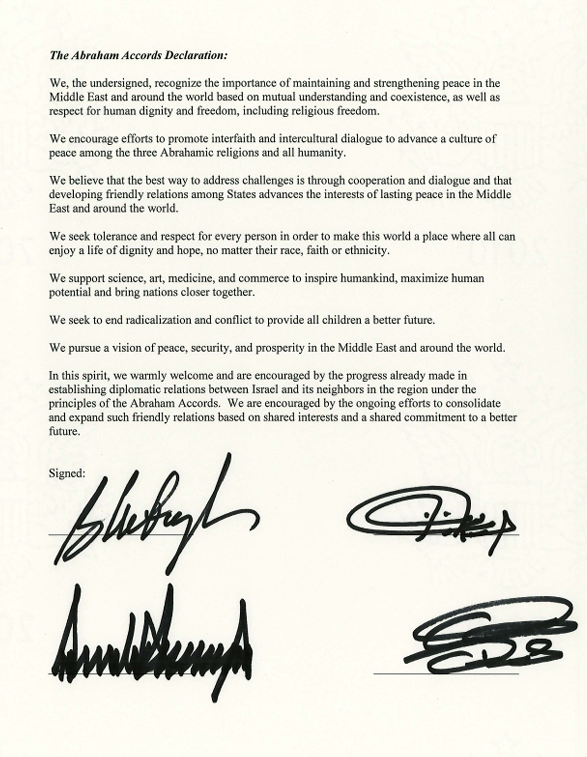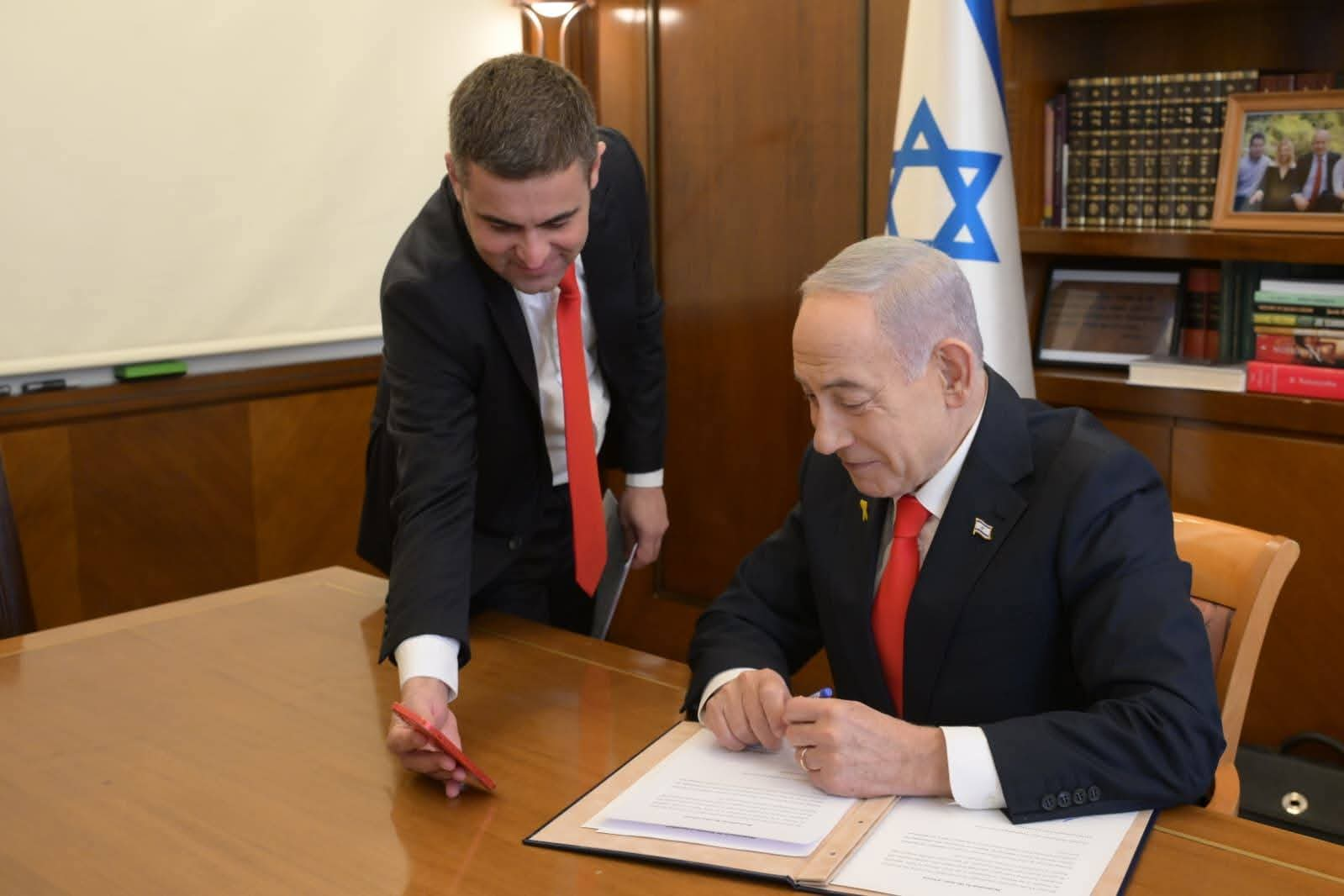
The Abraham Accords Declaration, as signed emphasizes peace, coexistence, and mutual respect among nations particularly among the Abrahamic faiths. It promotes dialogue, tolerance, and cooperation in science, art, medicine, and commerce as pathways to a more peaceful and prosperous world. If Somaliland, a self-governing region with a predominantly Muslim population and governance rooted in Islamic law, were to implement the principles of the Abraham Accords, the implications would be both profound and complex.
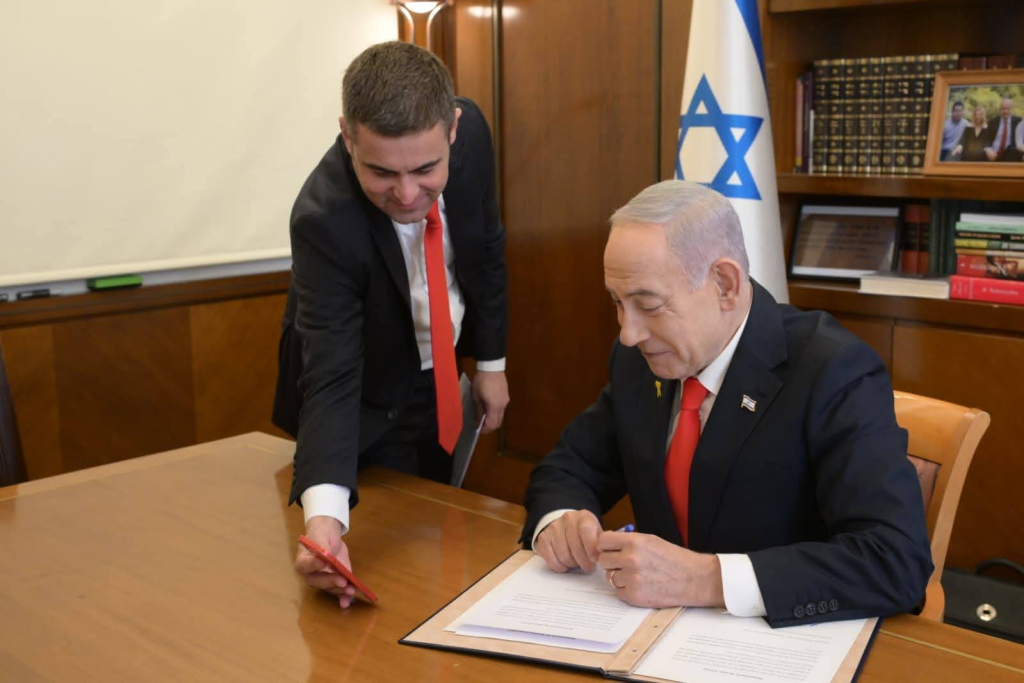
First, the symbolic significance would be immense. Somaliland’s endorsement of the Accords would signal a willingness to engage in interfaith dialogue and regional diplomacy beyond traditional political and religious boundaries. It would position Somaliland as a forward-thinking actor in the Horn of Africa one that values peace and cooperation over isolation and ideological rigidity. This could enhance its international legitimacy, especially as it continues to seek recognition as an independent state.
Second, the economic and social benefits could be substantial. The Accords encourage collaboration in commerce, science, and technology areas where Somaliland could greatly benefit from partnerships with countries like Israel and the United Arab Emirates. Access to advanced agricultural technologies, renewable energy solutions, and medical innovations could accelerate Somaliland’s development and improve the quality of life for its citizens.

However, the challenges cannot be ignored. Implementing the Abraham Accords in a society governed by Islamic law could provoke internal resistance. Some religious and political groups might view normalization with Israel as a betrayal of solidarity with the broader Muslim world, particularly given the unresolved Palestinian issue. Somaliland’s leadership would need to navigate these sensitivities carefully, ensuring that the move is framed not as a political alignment but as a commitment to peace, dialogue, and shared human progress values that align with Islamic teachings on coexistence and justice.
Finally, the regional implications could be transformative. Somaliland’s participation could inspire other Muslim-majority nations in Africa to reconsider their diplomatic stances and explore new avenues for cooperation. It could also contribute to a broader reimagining of peace in the Middle East and Africa one grounded in mutual respect rather than historical grievances.
In essence, if Somaliland were to embrace the Abraham Accords, it would be taking a courageous step toward redefining its place in the world. The move would not only reflect the spirit of the Declaration promoting peace, tolerance, and human dignity but also demonstrate that Islamic governance and global cooperation are not mutually exclusive. Instead, they can coexist as pillars of a more inclusive and hopeful future.