


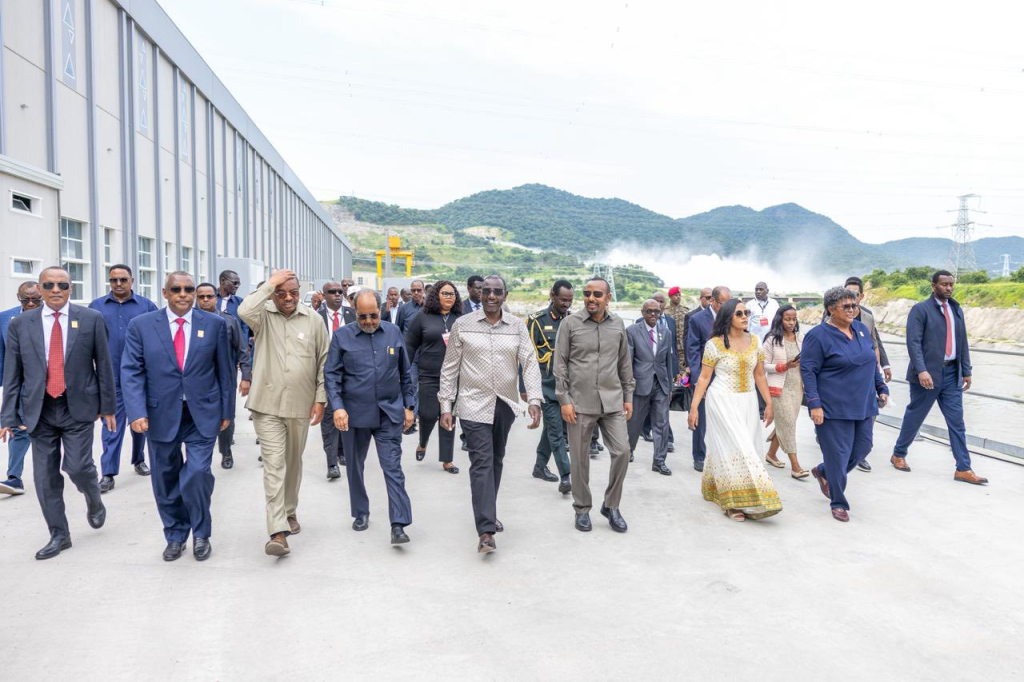
President William Ruto’s recent endorsement of Ethiopia’s Grand Renaissance Dam (GERD) has sent ripples through the diplomatic landscape of the Horn of Africa. This move, while potentially beneficial for Kenya in some respects, also carries significant risks, particularly regarding relations with Egypt and Sudan, who view the dam as an existential threat.
Understanding the GERD Dispute
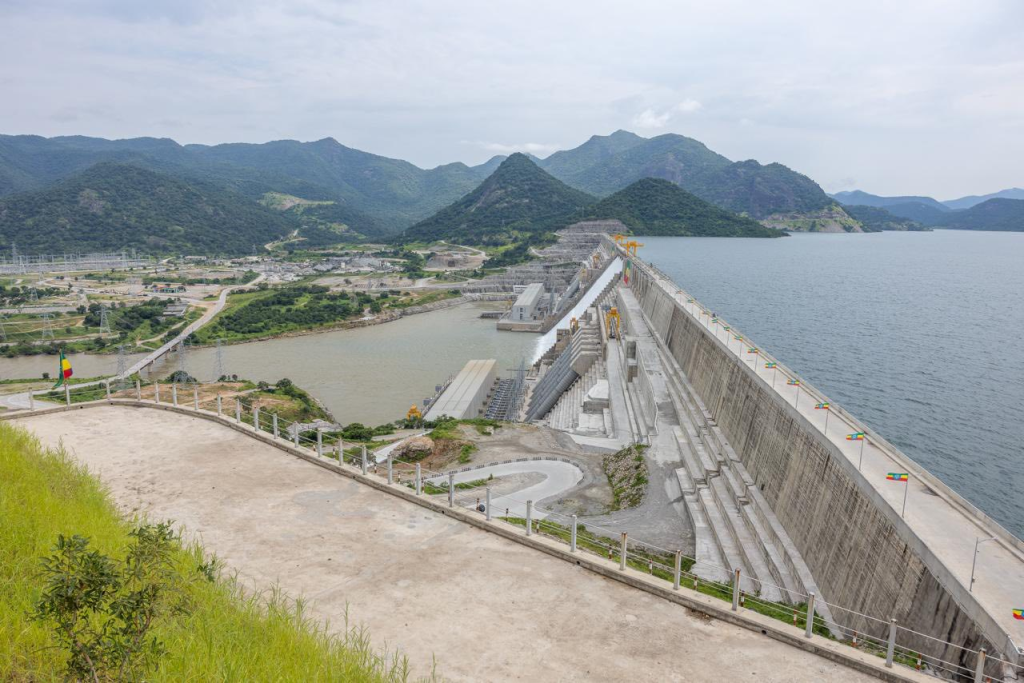
The Grand Renaissance Dam, a massive hydroelectric project on the Blue Nile, has been a source of contention between Ethiopia, Egypt, and Sudan for over a decade. Ethiopia views the dam as crucial for its economic development, providing much-needed electricity for its growing population and for export. Egypt and Sudan, downstream countries that heavily rely on the Nile’s water, fear that the dam’s filling and operation could significantly reduce their water supply, impacting agriculture, industry, and the livelihoods of millions.
Negotiations between the three countries, mediated by various international actors, have repeatedly stalled, failing to reach a legally binding agreement on the dam’s operation and water sharing. The lack of a resolution has fueled tensions and raised concerns about potential conflict in the region
Ruto’s Endorsement: A Shift in Kenya’s Stance?
Traditionally, Kenya has maintained a neutral stance on the GERD dispute, advocating for a peaceful resolution through dialogue. However, President Ruto’s recent pronouncements suggest a shift in this policy, signaling support for Ethiopia’s position. This endorsement could be driven by several factors:
Economic Interests: Kenya may be seeking to strengthen its economic ties with Ethiopia, a rapidly growing economy and a key trading partner. Supporting the GERD could be seen as a way to foster goodwill and unlock future opportunities for investment and trade, including potentially importing electricity from the dam.
Regional Alignment: Ruto may be aiming to forge a stronger alliance with Ethiopia within the East African Community (EAC). By backing the GERD, Kenya could solidify its position as a key player in the region and exert greater influence on regional affairs.
Pan-Africanism: Endorsing the GERD could be interpreted as an act of Pan-African solidarity, supporting an African nation’s right to utilize its resources for development. This resonates with Ruto’s stated commitment to promoting African solutions to African problems.
Potential Benefits and Risks for Kenya
Potential Benefits:
Increased Trade and Investment: Stronger ties with Ethiopia could lead to increased trade and investment opportunities for Kenyan businesses.
Energy Security: Access to affordable electricity from the GERD could help Kenya diversify its energy sources and reduce its reliance on fossil fuels.
Regional Influence: A closer alliance with Ethiopia could enhance Kenya’s influence in the EAC and the Horn of Africa.
Geopolitical Advantage: Positioning Kenya on Ethiopia’s side creates a counterweight to Egypt’s historical dominance in the region.
Potential Risks:
Diplomatic Fallout: Endorsing the GERD could strain relations with Egypt and Sudan, leading to diplomatic tensions and potential economic repercussions.
Regional Instability: The GERD dispute is a sensitive issue, and Kenya’s stance could exacerbate tensions and contribute to regional instability.
Reputational Damage: Kenya could be perceived as siding with Ethiopia against the interests of downstream countries, potentially damaging its reputation as a neutral mediator.
Water Security Concerns: Egypt could, in turn, withhold support for Kenya’s own water projects, particularly in the Lake Victoria basin.
Navigating the Diplomatic Tightrope
President Ruto faces a delicate balancing act. While strengthening ties with Ethiopia offers potential benefits, alienating Egypt and Sudan could have serious consequences for Kenya’s diplomatic and economic interests. A nuanced approach is needed, one that acknowledges Ethiopia’s right to develop its resources while also addressing the legitimate concerns of downstream countries.
Kenya could play a constructive role in facilitating dialogue between the three countries, leveraging its relationships with all parties to find a mutually acceptable solution. This could involve promoting greater transparency in the dam’s operation, supporting joint studies on the dam’s impact, and advocating for a legally binding agreement on water sharing.
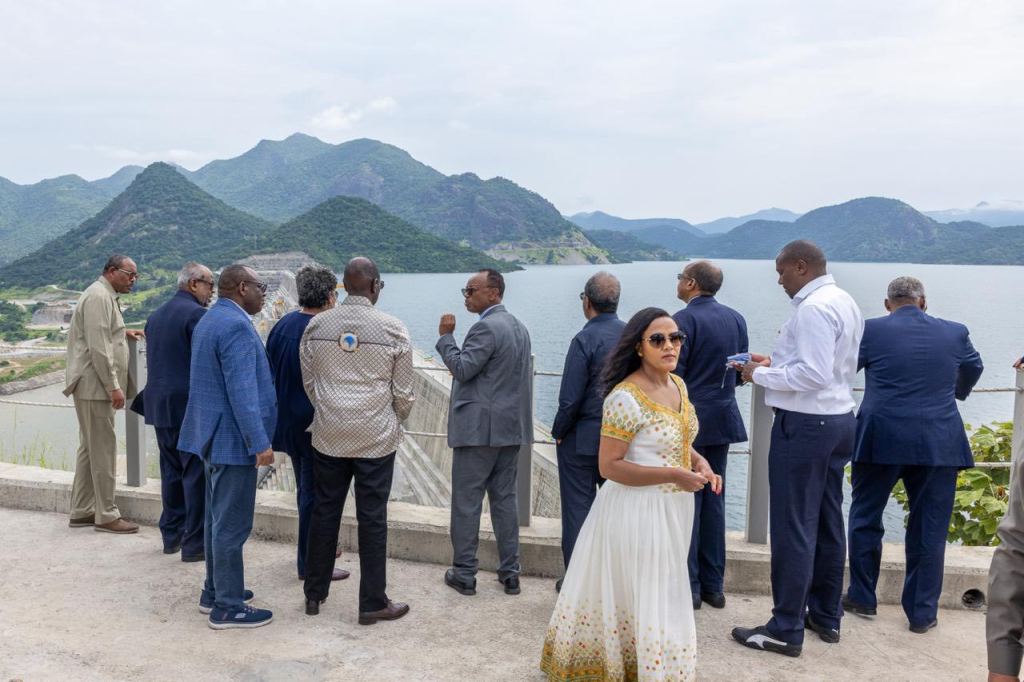
President Ruto’s endorsement of the GERD represents a bold but risky move that could reshape Kenya’s diplomatic landscape. While the potential benefits of closer ties with Ethiopia are undeniable, the potential costs of alienating Egypt and Sudan are significant. Kenya must tread carefully, pursuing a balanced approach that promotes regional cooperation and ensures the long-term stability and prosperity of the Horn of Africa. The coming months will be crucial in determining whether Ruto’s bet pays off or leads to a diplomatic quagmire.
